How I Built a Smarter Retirement Plan Without Losing Sleep
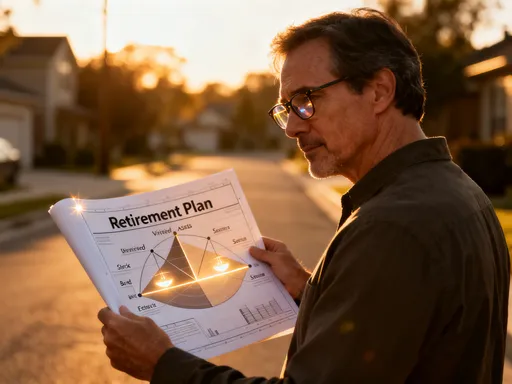
Saving for retirement used to stress me out—where do you even start? I tried throwing money into random funds, only to watch my anxiety grow. Then I learned that pension savings aren’t about picking winners, but building a balanced investment layout. It’s not flashy, but it works. This is how I shifted from guessing to planning, focusing on steady growth, risk control, and simple strategies anyone can follow—without needing a finance degree or risky bets.
The Wake-Up Call: Realizing My Pension Was on Autopilot
For years, I assumed my pension was being managed well. I saw regular contributions come out of my paycheck and trusted that someone, somewhere, was making smart decisions on my behalf. It wasn’t until a quiet evening reviewing old statements that I realized how little I actually knew. My fund was labeled as “balanced,” but when I dug deeper, I found high management fees, underperforming assets, and no clear strategy behind the investments. I wasn’t building wealth—I was just going through the motions. That moment was a wake-up call. I had been saving diligently, but without intention. The truth is, many people are in the same boat: contributing faithfully to their pension while remaining completely disconnected from how that money is actually working.
What I discovered was not uncommon. A 2022 study by the Global Financial Literacy Excellence Center found that fewer than 30% of adults could correctly answer basic questions about compound interest, inflation, and risk diversification—yet nearly 60% believed they were “knowledgeable” about personal finance. This gap between confidence and understanding is exactly where financial plans go off track. I had assumed that automatic enrollment in a workplace pension meant I was protected. But protection doesn’t come from participation alone—it comes from awareness. Without actively shaping my investment layout, I was leaving my future to chance. Even consistent contributions can fall short if they’re diluted by high fees or misaligned with long-term goals.
The real danger of an autopilot approach is complacency. Markets change, life changes, and so should your financial strategy. I realized that if I wanted to retire with confidence, I needed to move from passive saving to active planning. This didn’t mean becoming a day trader or obsessing over daily market swings. It meant understanding the structure of my portfolio, knowing why I owned what I owned, and making deliberate choices about risk and return. The shift began not with complex calculations, but with a simple question: “Is this plan working for me, or am I just hoping it will?” That question led me to rebuild my pension strategy from the ground up—with clarity, control, and long-term peace of mind.
Redefining Investment Layout: More Than Just Picking Funds
Once I decided to take control, I had to rethink what an investment strategy actually meant. I used to believe that building a pension portfolio was about picking the “best” funds—those with the highest returns over the past year or the most buzz in financial news. But I soon learned that chasing performance is a losing game. Instead, I began to see my portfolio as a system, not a collection of individual bets. I started thinking in terms of structure: what role does each asset play? Is it there to grow, to protect, or to generate income? This shift—from selection to design—changed everything.
Imagine building a house. You wouldn’t start by choosing paint colors or light fixtures. First, you lay the foundation, frame the walls, and ensure the structure can withstand weather and time. The same logic applies to investing. Your foundation is your asset allocation—how much you put into stocks, bonds, real estate, and cash. The structure is your diversification—spreading risk across different regions, sectors, and types of investments. And the insulation? That’s your risk management: low fees, tax efficiency, and emotional discipline. When I started viewing my pension this way, the noise of daily market updates faded into the background. I wasn’t trying to win a short-term race; I was building something durable.
This architectural mindset helped me avoid common pitfalls. For example, I no longer panicked when the stock market dipped. Instead, I reminded myself that the growth portion of my portfolio was meant to be volatile—it was designed to rise over time, not climb in a straight line. Similarly, I stopped chasing high-yield bonds that carried hidden risks. I learned that a 5% return isn’t impressive if it comes with a 20% chance of losing principal. True financial strength isn’t measured by returns alone, but by consistency, sustainability, and alignment with your timeline. By focusing on the big picture, I replaced anxiety with intention. My portfolio wasn’t perfect, but it was purposeful—and that made all the difference.
The Growth Zone: Where Future Wealth Is Built
If your pension is meant to last 30 years in retirement, most of that money needs to grow well before you stop working. That’s where the growth zone comes in. I allocated a significant portion of my portfolio—about 60% in my early 50s, gradually decreasing over time—to assets with long-term appreciation potential. These are primarily global equity index funds, which track broad markets like the S&P 500 or MSCI World Index. I didn’t choose them because they’re exciting; I chose them because they’re reliable, low-cost, and historically effective at building wealth over decades.
Yes, stocks go up and down. There have been years when my portfolio lost value, sometimes double digits. But I’ve learned to see volatility not as a threat, but as a feature of growth investing. The key is time. Because I’m not retiring for another 10 to 15 years, I can afford to stay invested through downturns. In fact, market dips can be beneficial—they allow me to buy more shares at lower prices, a process known as dollar-cost averaging. Over time, this smooths out the cost of investing and reduces the risk of buying at a peak. A study by Vanguard found that investors who stayed fully invested in a balanced portfolio from 2000 to 2020 earned nearly double the return of those who tried to time the market by moving in and out.
What really changed my perspective was understanding compounding. A $10,000 investment earning 7% annually grows to over $76,000 in 30 years—not because of a lucky stock pick, but because of consistent growth and reinvested returns. I don’t need to predict the next big tech winner or bet on emerging markets. By owning a slice of the entire market, I benefit from global economic progress without taking unnecessary risks. The lesson? It’s not about being the smartest investor in the room. It’s about being the most consistent. The growth zone isn’t where you get rich quick—it’s where you build lasting financial security, one year at a time.
The Safety Net: Protecting What You’ve Earned
Growth is essential, but so is preservation. No matter how well your investments perform, a single market crash can erase years of progress if you’re not prepared. That’s why I built a safety net into my pension strategy. I allocated about 30% of my portfolio to bonds and other fixed-income assets—government and corporate bonds with strong credit ratings, and short- to intermediate-term maturities. These don’t deliver the high returns of stocks, but they serve a critical function: stability.
Think of bonds as shock absorbers in a car. When the road gets bumpy, they smooth out the ride. During the 2020 market drop, my equity funds fell sharply, but my bond holdings held steady—and in some cases, even rose in value. That balance prevented me from making an emotional decision to sell everything at the worst possible time. Research from Fidelity shows that investors who sold during the March 2020 downturn missed the subsequent 30% rebound in just six weeks. My safety net didn’t make me rich overnight, but it kept me in the game.
Beyond asset allocation, I also focused on reducing invisible drains: fees and taxes. I switched from high-cost mutual funds to low-cost index funds and exchange-traded funds (ETFs), cutting my average expense ratio from 1.2% to 0.2%. That might seem small, but over 20 years, a 1% difference in fees can reduce your final balance by 20% or more. I also made sure my pension was in a tax-advantaged account, allowing my investments to grow without annual capital gains taxes. These aren’t flashy moves, but they compound silently—just like interest. Protecting your capital isn’t about avoiding risk altogether; it’s about managing it wisely. A well-structured safety net doesn’t eliminate volatility, but it gives you the confidence to stay the course.
The Income Engine: Planning for Life After Work
Retirement isn’t just about accumulating wealth—it’s about converting that wealth into a reliable income stream. I used to focus only on my account balance, but now I think in terms of cash flow. How will I cover monthly expenses without depleting my savings too quickly? To answer that, I developed an income engine within my portfolio: a mix of dividend-paying stocks, bond interest, and real estate investment trusts (REITs) that generate regular payouts. These aren’t speculative holdings; they’re carefully selected for sustainability and consistency.
Dividend-paying companies, especially those with a history of increasing payouts year after year, offer a dual benefit: income and long-term growth. A company like a major utility or consumer staples brand may not soar like a tech startup, but it tends to pay steady dividends even in tough markets. Over time, reinvesting those dividends can significantly boost total returns. According to Ned Davis Research, dividends contributed nearly 40% of the S&P 500’s total return over the past 90 years. That’s not noise—that’s a core part of wealth building.
REITs add another layer. By investing in commercial and residential properties, they pass rental income directly to shareholders. I limit my REIT exposure to 10% of my portfolio to avoid overconcentration, but they’ve provided a helpful hedge against inflation, since rents and property values tend to rise with prices. The key is balance. I don’t chase the highest-yielding stocks, many of which are risky or unsustainable. Instead, I focus on quality—companies with strong balance sheets and a track record of reliable payouts. My income engine isn’t designed to make me rich overnight. It’s designed to keep me comfortable for decades. I now view my portfolio not as a vault to be cracked open, but as a machine that works for me—quietly, steadily, year after year.
Adjusting Over Time: It’s Not Set and Forget
One of the biggest mistakes I used to make was treating my pension plan as a one-time decision. I’d pick a fund, set up automatic contributions, and assume I was done. But life isn’t static, and neither should your retirement strategy be. As I’ve gotten closer to retirement, I’ve gradually shifted my allocation to include more bonds and less equities. This is known as a “glide path”—a pre-planned reduction in risk as your time horizon shortens. It’s not about reacting to fear, but about aligning your portfolio with your changing needs.
In your 40s and 50s, you can afford to take on more risk because you have time to recover from losses. But by your 60s, preserving capital becomes more important. A 20% market drop at age 62 can be devastating if you’re about to start withdrawing money. That’s why I now review my portfolio annually—not to chase hot trends, but to rebalance. If stocks have performed well and now make up a larger share than planned, I sell a portion and reinvest in bonds. This maintains my target allocation and keeps risk under control.
Life events also require adjustments. A change in health, a new grandchild, or a desire to travel more in early retirement can all influence how much income you’ll need and when. I’ve built flexibility into my plan by keeping some assets in liquid, low-volatility investments that I can access if needed. I also keep an eye on broader economic trends, like interest rate changes, which affect bond yields and withdrawal strategies. Discipline is important, but so is adaptability. The best financial plan isn’t the most complex—it’s the one that evolves with you, ensuring you stay on track no matter what life brings.
Keeping It Simple: Tools and Habits That Actually Help
I used to overwhelm myself. I’d download finance apps, subscribe to market newsletters, and check my account daily. The result? More stress, not more progress. What finally worked was simplification. I set up automatic contributions so I never had to remember to save. I chose a small number of low-cost, diversified funds and stuck with them. I schedule one portfolio review per year, not because the market demands it, but because consistency does.
Technology helps, but mindset matters more. I no longer try to predict the future. Instead, I focus on what I can control: how much I save, how much I pay in fees, and how balanced my portfolio is. I’ve created simple rules: never invest in anything I don’t understand, rebalance once a year, and avoid making decisions based on headlines. These habits aren’t exciting, but they’re effective. They’ve turned a source of anxiety into a source of confidence.
The truth is, you don’t need to be a financial expert to build a strong retirement plan. You need patience, clarity, and a few smart choices. My strategy isn’t perfect, but it’s sustainable. It’s not designed to make headlines—it’s designed to make my later years peaceful. I no longer lose sleep over market swings. I sleep better knowing I have a plan that’s thoughtful, balanced, and built to last. And that, more than any return number, is the real measure of financial success.