How I Turned Family Heirlooms Into Lasting Wealth — A Real Talk on Cultural Inheritance
Inheriting family treasures isn’t just about sentiment—it’s a financial crossroads. I once held onto artifacts with emotional attachment, only to realize their value was slipping away. What if preserving culture could also mean growing wealth? This is how I rethought cultural inheritance, blending respect for tradition with smart strategies to maximize returns while protecting legacy. It wasn’t easy, but the lessons changed everything. At first, I treated my grandmother’s embroidered textiles and my grandfather’s land deeds like sacred relics—untouchable, unchangeable. But over time, I began to see them differently: not as static symbols of the past, but as dynamic assets with potential. The shift in mindset didn’t come from greed, but from a desire to honor my ancestors by ensuring their legacy endured—not just in memory, but in tangible form. This journey taught me that cultural inheritance, when managed wisely, can become a cornerstone of long-term financial stability and intergenerational prosperity.
The Hidden Value in Cultural Inheritance
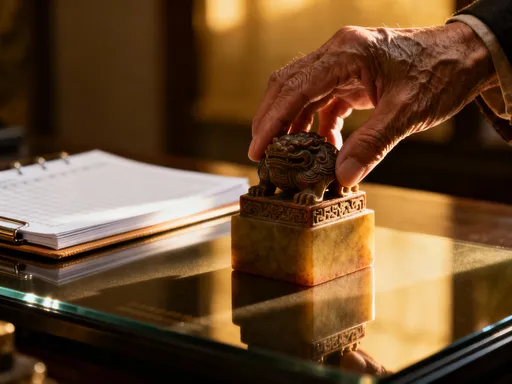
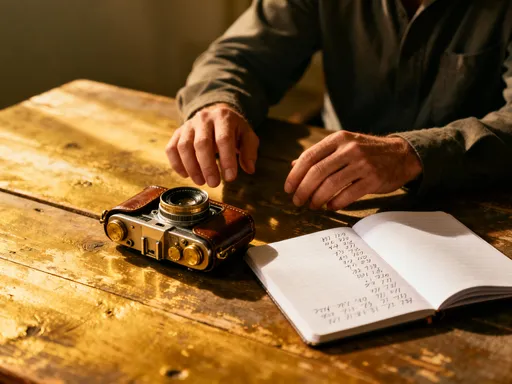
Cultural inheritance encompasses far more than old photographs tucked in shoeboxes or hand-me-down jewelry passed at family gatherings. It includes land deeds, artisanal crafts, handwritten recipes, oral histories, traditional garments, religious artifacts, and even ancestral homes. These items are often dismissed as sentimental keepsakes with no real-world utility, yet many carry substantial financial worth—sometimes quietly appreciating over decades without anyone realizing it. The first step toward unlocking this potential is recognizing that cultural inheritance is not merely symbolic; it can be a legitimate component of a family’s asset portfolio. For example, a handwoven textile from a grandparent’s village might now be sought after by collectors of indigenous art, or a family-owned plot of rural land may have increased in value due to regional development. The challenge lies in shifting perception—from seeing these items as untouchable relics to understanding them as living assets that can generate returns when handled with care and strategy.
One of the most overlooked aspects of cultural inheritance is its diversity. While some families inherit physical objects, others inherit knowledge-based assets such as traditional medicine practices, storytelling lineages, or culinary techniques. These intangible forms of heritage can be just as valuable, particularly in today’s market where authenticity and cultural uniqueness are increasingly prized. A family recipe for a regional dish, for instance, could become the foundation of a food business or be licensed to a producer seeking authentic flavors. Similarly, oral histories recorded and preserved properly can find audiences through documentaries, educational platforms, or digital archives, creating both cultural impact and revenue streams. The key is to conduct a thorough inventory—not just of what you own, but of what it represents and who might value it beyond your immediate circle.
Understanding the breadth of cultural inheritance also means acknowledging its global relevance. In an interconnected world, cultural artifacts from one region often gain appreciation in another. A ceremonial mask from a remote community might attract interest from international museums or private collectors. A traditional musical instrument could become part of a global ethnomusicology project. These opportunities don’t diminish the cultural significance of the items—they enhance it, allowing heritage to be shared and respected on a wider stage. However, this expanded visibility brings responsibilities, including ethical stewardship and legal compliance, which must be addressed thoughtfully. The goal is not to commodify culture recklessly, but to ensure that its value—both emotional and financial—is recognized, protected, and used to benefit future generations.
Why Emotional Attachment Can Cost You
Emotional ties to family heirlooms are natural and often deeply rooted in personal identity and collective memory. These connections provide comfort, continuity, and a sense of belonging. However, when it comes to managing inherited assets, unchecked sentimentality can lead to costly mistakes. I learned this firsthand when I delayed having a collection of antique furniture appraised because I feared it would mean acknowledging its monetary value over its emotional significance. By the time I sought professional evaluation, several pieces had suffered irreversible damage due to improper storage—moisture warping wood, fabric fading under sunlight, and metal fixtures corroding. The appraiser confirmed that with proper care and timely assessment, the set could have fetched a significantly higher price. Instead, restoration costs ate into potential profits, and one chair was beyond repair. This experience taught me that honoring tradition does not require neglecting practicality.
The psychological barriers to rational decision-making around heirlooms are real and well-documented. Many people fall into what behavioral economists call the “endowment effect”—the tendency to assign higher value to something simply because they own it. This bias can prevent families from selling items at optimal times or exploring monetization options that align with preservation goals. Others struggle with guilt, believing that any attempt to derive financial benefit from cultural objects is a betrayal of their ancestors. These feelings are valid, but they must be balanced with responsibility. Preserving legacy isn’t just about keeping things intact—it’s about ensuring they remain meaningful and sustainable over time. Sometimes, the most respectful choice is to let an item serve a new purpose, whether through sale, donation, or adaptation into a modern context.
Another common pitfall is the assumption that leaving heirlooms untouched is the safest approach. In reality, neglect can be more damaging than action. Fabrics deteriorate, metals oxidize, documents disintegrate, and digital files become obsolete. Without proper maintenance, even the most cherished items lose both physical integrity and market value. Furthermore, delaying decisions can create complications for future generations who may lack the context to make informed choices. Establishing clear guidelines early—such as when to restore, when to sell, and how to document provenance—helps prevent emotional paralysis down the line. Separating emotion from financial strategy doesn’t mean discarding reverence; it means applying wisdom to ensure that cultural assets continue to thrive rather than fade into obscurity.
Assessing True Worth: More Than Just Market Price
Determining the value of a cultural asset goes far beyond checking recent auction results or browsing online marketplaces. True valuation requires a multidimensional approach that considers historical context, authenticity, condition, rarity, and cultural demand. A seemingly ordinary object may hold extraordinary significance within a specific community or academic field, while a visually striking piece might have little value if its provenance is unclear or if it’s a known reproduction. I discovered this when I brought a carved wooden box to a local museum for review. To me, it was a simple family heirloom; to the curator, it was a rare example of early 20th-century craftsmanship from a disappearing tradition. That insight transformed my understanding of its worth—not just monetarily, but historically.
Working with certified appraisers and cultural experts proved essential in building an accurate picture of value. These professionals don’t just estimate prices—they provide context. They can identify regional styles, trace manufacturing techniques, verify materials, and assess condition using standardized criteria. For items with potential historical significance, consulting historians or ethnographers adds another layer of depth. In one case, a series of handwritten letters in my family archive were identified as correspondence between community leaders during a pivotal period of local history. While they had no immediate market value, their research importance made them eligible for preservation grants and academic partnerships, opening non-monetary avenues for legacy protection.
Market dynamics also play a critical role in valuation. Demand for certain cultural artifacts fluctuates based on trends, geopolitical factors, and institutional collecting priorities. For example, interest in indigenous art has grown in recent years due to increased recognition of cultural rights and representation, driving up prices for authentic pieces. Conversely, items associated with colonial exploitation or contested ownership face ethical scrutiny, affecting their marketability. Geographic location matters too—what is common in one country may be rare elsewhere. A textile pattern considered everyday in its place of origin might be highly collectible in a foreign market. Understanding these nuances helps avoid both underpricing and overestimating, ensuring that decisions are grounded in reality rather than emotion or speculation.
Strategies That Actually Grow Value Over Time
Storing heirlooms in attics or basements is not a strategy—it’s passive preservation at best, and slow deterioration at worst. To truly grow value, families need active, intentional approaches that balance respect for origin with modern relevance. One of the most effective methods I’ve used is strategic restoration. Rather than attempting DIY fixes or letting damage accumulate, I partnered with conservation specialists to carefully repair fragile items using reversible techniques that preserved original materials. This not only stabilized the pieces but also enhanced their market appeal. A restored quilt, for instance, became eligible for inclusion in a traveling exhibition, increasing its visibility and perceived value.
Another powerful tool is selective digitization. By creating high-resolution images, 3D scans, or digital archives of physical items, families can protect against loss while expanding access. I digitized a collection of ancestral photographs and paired them with recorded oral histories, creating a multimedia archive that was later licensed to a cultural education platform. This generated modest but steady income and ensured that younger family members could engage with their heritage regardless of geography. Digitization also enables creative reuse—such as using traditional patterns in digital design projects—without altering the original artifacts.
Perhaps the most transformative strategy was cultural licensing. After researching ethical guidelines, I authorized a small fashion brand to use a geometric motif from a family textile in a limited-edition scarf line. The agreement included strict terms: credit to the source community, fair compensation, and no mass production. The result was not only a new income stream but also broader recognition of our cultural heritage. Other possibilities include licensing recipes to food producers, permitting academic use of archival materials, or collaborating with museums on exhibitions. These approaches allow cultural assets to evolve while maintaining integrity, turning static heirlooms into dynamic contributors to family wealth.
Navigating Legal and Ethical Boundaries
Managing cultural inheritance involves more than financial decisions—it requires navigating complex legal and ethical landscapes. Ownership clarity is fundamental. In my case, unclear documentation nearly derailed the sale of a vintage rug because two cousins believed they held equal claim. Resolving the dispute required reviewing old wills, birth certificates, and community records—a time-consuming but necessary process. Without clear title, transactions can be blocked, insurance claims denied, and family conflicts escalated. Consulting a legal expert familiar with inheritance law and cultural property regulations helped us establish rightful ownership and create a transparent record for future generations.
Inheritance laws vary by jurisdiction and can affect how assets are transferred, taxed, or sold. Some countries impose restrictions on exporting cultural artifacts, while others require permits for commercial use. Failing to comply can result in fines, seizure of items, or reputational damage. Even within families, differing interpretations of fairness can lead to disputes. Establishing a family agreement—formal or informal—that outlines how decisions will be made, who has authority, and how proceeds will be shared can prevent misunderstandings. In our family, we created a simple charter that emphasized consensus, transparency, and respect for elders’ input, which has served us well during multiple transitions.
Equally important are ethical considerations. Cultural assets often represent collective identity, not just individual ownership. Using them for profit without regard for community norms or historical context can be seen as exploitative. I made it a principle to consult with elders and community representatives before licensing any design or sharing sacred knowledge. This ensured that our actions aligned with cultural values and avoided misrepresentation. Ethical stewardship strengthens reputation and builds trust, making partnerships with institutions, brands, or researchers more likely. When handled responsibly, cultural inheritance becomes not just a personal asset, but a shared legacy that honors the past while serving the present.
Risk Control: Protecting Assets From Loss and Fraud
Cultural assets are attractive targets for theft, fraud, and counterfeiting. Their uniqueness and emotional weight make them irreplaceable, which is why proactive protection is essential. One of the first steps I took was securing comprehensive insurance coverage tailored to collectibles and cultural property. Standard homeowner’s policies often have low limits for high-value items and may exclude certain categories altogether. A specialized policy, based on professional appraisals, provided peace of mind and financial protection in case of loss. I also invested in secure storage solutions—climate-controlled cabinets for textiles, acid-free folders for documents, and locked display cases for small artifacts—reducing environmental risks like humidity, pests, and accidental damage.
Digital assets require similar vigilance. I backed up all scanned images and recordings in multiple locations, including encrypted cloud storage and external hard drives kept in separate physical locations. Watermarking digital copies helped deter unauthorized use, while access controls limited who could view or download sensitive materials. For items offered for sale or collaboration, I used trusted platforms with verification processes and avoided cash-only transactions or vague agreements. Verifying the credentials of buyers, appraisers, and partners minimized exposure to scams—a growing concern in online marketplaces where counterfeit claims and fake expertise are common.
Another layer of protection came from documentation. I created a detailed inventory listing each item’s description, origin, condition, appraisal date, and ownership history. This record served multiple purposes: supporting insurance claims, proving authenticity, and guiding future decisions. In the event of a dispute or loss, having thorough documentation made resolution faster and more reliable. Risk management may lack the excitement of discovery or profit, but it is the foundation of lasting wealth. Protecting cultural assets isn’t just about preserving their value—it’s about ensuring they remain available to inspire and benefit future generations.
Building a Legacy That Lasts Generations
True wealth maximization extends beyond immediate financial gain—it’s about creating a legacy that endures across generations. My journey with cultural inheritance taught me that the greatest return is not measured solely in dollars, but in continuity, identity, and shared purpose. To achieve this, I shifted from viewing heirlooms as static possessions to treating them as part of a living, evolving family ecosystem. This meant moving beyond individual decision-making and establishing structures that would guide future stewardship. One of the most impactful steps was setting up a family trust dedicated to managing cultural assets. The trust provided a legal framework for ownership, decision-making, and distribution, ensuring that items wouldn’t be lost to disorganization or conflict after my lifetime.
Equally important was creating family guidelines—informal but clear principles about how to care for, share, and potentially monetize inherited items. These guidelines emphasized education, respect, and sustainability. For example, we agreed that younger members should be introduced to the collection early, through storytelling sessions and hands-on learning. We also established criteria for when restoration was appropriate, when licensing could be considered, and how proceeds should be reinvested—whether into preservation efforts, education funds, or community initiatives. These conversations fostered a sense of collective responsibility and deepened emotional connection to the heritage.
Ultimately, the goal is not to lock away the past, but to integrate it into the present in ways that are meaningful and sustainable. When culture and finance align—when tradition is honored through thoughtful management, and value is reinvested into continuity—the result is a legacy that grows richer over time. My grandmother’s textiles are no longer just folded in a drawer; some are displayed in a museum, others inspire ethical fashion lines, and their stories are taught to my nieces and nephews. The wealth they generate supports scholarships for young artisans. This is what lasting inheritance looks like: not a frozen relic, but a living, giving force that connects generations and builds a future rooted in respect, wisdom, and care.