How I Turned My Hobby Into a Smarter Investment Game
What if your weekend passion could also grow your wealth? I used to see hobbies as just expenses—until I realized they could be financial opportunities. This isn’t about getting rich overnight, but about smarter spending, hidden returns, and turning what you love into a strategic advantage. Let me walk you through how I reshaped my approach, avoided common traps, and found practical ways to make my hobbies work *for* me, not against my wallet. It started with a simple question: why does something that brings me joy also quietly drain my bank account? The answer changed how I think about money, value, and time. This is not a get-rich-quick story. It’s a real, tested journey of turning personal interests into tools for financial awareness and long-term stability.
The Hidden Cost of Passion
Hobbies are often framed as harmless pleasures, escapes from the grind of daily life. Yet beneath the surface, many hobbies carry recurring costs that accumulate without notice. A weekend gardener might buy seeds, tools, soil, and irrigation upgrades. A photography enthusiast could invest in lenses, memory cards, editing software, and travel to scenic locations. These expenses seem small in isolation, but over time, they form a steady outflow that can rival monthly subscriptions or utility bills. What begins as a joyful pastime may subtly shift into a financial burden, especially when purchases are made impulsively or without tracking.
The issue isn’t that hobbies are inherently expensive, but that their true cost is often overlooked. Unlike rent or groceries, hobby spending lacks the urgency of necessity, so it rarely gets the same scrutiny. People budget for emergencies or retirement, but seldom create a line item for model trains or pottery classes. This blind spot allows spending to grow unchecked. I once reviewed a year of my own receipts and was stunned to find I had spent over $1,800 on my cycling hobby—mostly on upgrades I didn’t need. That amount could have funded a significant portion of a retirement contribution or a family vacation. Recognizing this pattern was the first step toward change.
Unchecked hobby spending doesn’t just affect cash flow; it can impact long-term financial goals. Every dollar spent on an impulse gear purchase is a dollar not saved, invested, or used for essential needs. The opportunity cost—the value of what you give up—can be substantial. For example, spending $200 a month on collectible items means forgoing over $2,400 a year that could grow with compound interest. Over a decade, that difference could exceed $30,000, assuming a modest return. This isn’t a call to abandon hobbies, but to approach them with awareness. Financial health includes all spending, not just the essentials. When you track hobby expenses like any other budget category, you gain control and clarity.
Understanding the full picture also helps identify which aspects of a hobby bring the most joy versus those that merely add cost. Some enthusiasts spend heavily on display cases for collectibles they rarely show, or buy high-end equipment they use only occasionally. These are signals that spending may be driven more by aspiration than actual enjoyment. By reflecting on what truly adds value, it becomes easier to redirect funds toward experiences or items that deliver real satisfaction. The goal is not deprivation, but intentionality. When you know where your money goes and why, you can make choices that align with both your passions and your financial well-being.
From Expense to Investment Mindset
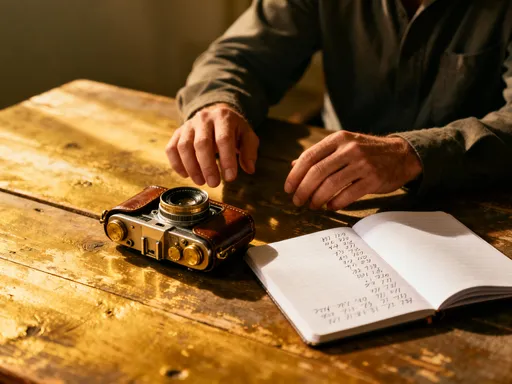
Changing how I viewed hobby spending transformed my relationship with money. Instead of seeing each purchase as a loss, I began asking whether it could also be an investment. This shift didn’t mean treating every hobby like a stock portfolio, but rather adopting a mindset of value retention and potential return. Some hobbies naturally lend themselves to this approach. Collecting vintage cameras, rare books, or classic vinyl records can lead to appreciation over time. Musical instruments, especially well-maintained ones from reputable makers, often hold their worth. Even high-quality outdoor gear, if properly cared for, can be resold at a strong percentage of its original price.
The key difference lies in distinguishing between consumable expenses and durable assets. Buying paint for an art project is a consumable cost—it’s used up. Purchasing a high-end easel or a digital drawing tablet, however, is acquiring a tool that may last for years and retain value. I started categorizing my hobby purchases this way, which helped me prioritize long-term utility over short-term gratification. This doesn’t guarantee profit, but it reduces waste and increases the likelihood that my spending will serve me beyond the moment of purchase.
Adopting this mindset also encouraged research before buying. I began looking into resale markets, depreciation rates, and collector demand for items I was considering. For instance, I discovered that certain brands of binoculars used by birdwatchers hold value better than others due to their durability and reputation. This knowledge allowed me to choose models that were not only functional but also more likely to retain worth. Similarly, in my woodworking hobby, I learned that hand tools from specific manufacturers tend to appreciate, while power tools usually depreciate. These insights guided me toward smarter decisions without sacrificing quality or enjoyment.
Importantly, this approach doesn’t require turning a hobby into a business. The goal isn’t to maximize returns, but to minimize unnecessary loss. When you buy with an eye toward longevity and resale, you naturally become more selective. This selectivity leads to fewer, better purchases—ones that bring lasting satisfaction and financial sense. Over time, this mindset spilled over into other areas of spending, from clothing to electronics. Viewing purchases through the lens of value and durability became a habit that strengthened my overall financial discipline.
Smart Acquisition Strategies
How you acquire hobby-related items can have a major impact on your budget. I learned that timing, sourcing, and negotiation all play roles in reducing costs without compromising quality. One of the most effective strategies I adopted was buying pre-owned. Many high-end items—cameras, bicycles, musical instruments—are sold by enthusiasts who maintain them well and upgrade only occasionally. By purchasing secondhand through trusted platforms or local groups, I saved 30% to 50% on several key purchases. I also found that joining niche online communities gave me access to private sales, early listings, and valuable advice on what to look for in used gear.
Timing proved equally important. Some items are best bought off-season. For example, camping equipment tends to be discounted in the fall, while winter sports gear drops in price during spring. I began planning purchases around these cycles, using price-tracking tools to monitor trends. This required patience, but the savings were significant. I also discovered that certain collectibles increase in value slowly but steadily, making them better long-term holds than impulse buys during peak hype. Avoiding the launch window for new products—when demand and prices are highest—helped me sidestep overpayment and early depreciation.
Another tactic was bundling or trading. In my photography hobby, I once traded an unused lens with another photographer for one I needed, avoiding cash outlay entirely. Some communities even organize seasonal swaps or group buys that unlock bulk discounts. These methods not only save money but also build connections with fellow enthusiasts. I also set rules for myself: no purchase over a certain amount without a 48-hour waiting period. This cooling-off rule prevented emotional decisions and gave me time to research alternatives or confirm necessity.
By combining these strategies, I turned acquisition into a deliberate process rather than a reactive one. I stopped seeing deals as urgent and started evaluating them within the context of my long-term goals. This shift reduced impulse spending and increased satisfaction with each purchase. Over two years, I estimate these practices saved me over $2,000 while improving the quality of the items I owned. Smart acquisition isn’t about frugality at all costs—it’s about maximizing value, ensuring that every dollar spent supports both enjoyment and financial sense.
Monetizing Passion Without Selling Out
One of the most surprising discoveries was that hobbies could generate modest income without turning them into full-time jobs. The goal wasn’t to become an entrepreneur, but to offset costs in low-pressure ways. I began by renting out gear I used infrequently. My high-end camera lens, for example, sat idle for weeks at a time. Through a peer-to-peer rental platform, I lent it to students and amateur photographers for a weekly fee. The income didn’t make me rich, but it covered half the lens’s cost within a year. Similarly, I rented my camping trailer during peak seasons, earning enough to pay for maintenance and storage.
Another avenue was teaching basic skills. I started offering occasional weekend workshops for beginners in my local community—introductory sessions on birdwatching, gardening, or photo editing. These weren’t intensive courses, but relaxed, hands-on experiences that others found valuable. I charged a modest fee that covered materials and time, with a small surplus. More importantly, teaching deepened my own understanding and renewed my enthusiasm for the hobby. It became a two-way benefit: sharing joy while easing financial pressure.
I also explored selling unused accessories or duplicates. Over time, I had accumulated extra supplies—camera filters, paintbrushes, craft materials—that I no longer needed. Listing them online took little effort and generated additional cash. Some items sold quickly; others took time, but the effort was minimal. I set a rule: if something hadn’t been used in a year, it was a candidate for resale. This practice not only brought in money but also decluttered my space, making my hobby area more enjoyable.
Crucially, I set boundaries to protect the joy of my hobbies. I never forced myself to teach, rent, or sell if it felt like a chore. The moment an activity stopped being fun, I stepped back. This ensured that monetization enhanced rather than eroded my experience. The financial return was secondary to preserving passion. Yet, over time, these small efforts added up. What began as a way to break even evolved into a sustainable model—where hobbies supported me financially, even slightly, without demanding my soul. It proved that passion and practicality can coexist.
Risk Control in Passion Spending
Emotion can cloud financial judgment, and hobbies are no exception. The excitement of a new project, the allure of limited-edition items, or the fear of missing out on a trend can lead to impulsive decisions. I’ve made my share of regrettable purchases—buying a specialty coffee roaster I used three times, or upgrading to a drone model that was quickly outdated. These weren’t catastrophic losses, but they were avoidable. Each taught me that enthusiasm needs guardrails.
To protect myself, I developed simple but effective risk controls. The first was a spending cap for each hobby—say, $300 per year for photography, $200 for gardening. Once the limit was reached, no further purchases were allowed until the next cycle. This created natural boundaries and encouraged prioritization. I also implemented a 72-hour waiting rule for any purchase over $100. During that time, I researched reviews, checked resale value, and considered whether the item truly fit my needs. This pause often revealed that the desire was temporary.
Another tool was regular spending audits. Every quarter, I reviewed all hobby-related expenses. I categorized them by type—equipment, supplies, travel, memberships—and assessed their value. Did a particular item get used frequently? Did a class improve my skills? Was a subscription still worth it? This review helped me cancel unused services and redirect funds to higher-impact areas. It also made me more mindful of future spending, knowing I would have to justify it later.
I also became aware of psychological triggers. Limited-time offers, influencer endorsements, and social media trends all pushed me toward unnecessary buys. By recognizing these influences, I learned to step back and evaluate decisions objectively. I unsubscribed from marketing emails, limited my time on shopping sites, and followed creators who emphasized sustainability over consumption. These small changes reduced temptation and strengthened my discipline. Risk control isn’t about eliminating joy—it’s about ensuring that passion doesn’t lead to regret.
Building a Balanced Hobby Portfolio
Just as a financial portfolio spreads risk across asset classes, a well-managed hobby life benefits from diversification. I found that focusing too much on one expensive hobby led to burnout and overspending. When I was deeply invested in model railroading, I poured money into track layouts, lighting systems, and rare train sets. While rewarding at first, the costs mounted, and the time commitment grew. By contrast, when I spread my time and budget across multiple interests—gardening, hiking, cooking, and sketching—I experienced more variety, lower stress, and better financial balance.
Some hobbies are low-cost and accessible, offering consistent enjoyment without strain. Walking in nature, journaling, or baking require minimal investment but deliver high emotional returns. Others are higher-cost and more specialized, like scuba diving or antique restoration. By balancing both types, I created a sustainable rhythm. I allocated most of my budget to stable, low-risk activities and reserved a smaller portion for occasional splurges. This approach prevented any single hobby from dominating my finances.
I also began treating skill development as a long-term investment. Taking a course in basic carpentry or learning to repair small appliances didn’t yield immediate financial returns, but it saved money over time and increased self-reliance. These skills became assets in their own right—ones that compounded in value through use. I started viewing my time and money in hobbies not just as consumption, but as personal development. This mindset shift made spending feel more purposeful and aligned with broader life goals.
Diversification also protected me during life changes. When an injury limited my ability to cycle, I shifted focus to photography and cooking. Because I hadn’t put all my time and money into one pursuit, I could adapt without losing my sense of fulfillment. A balanced hobby portfolio, like a balanced investment portfolio, provides resilience. It reduces dependency on any single source of joy and creates a more adaptable, sustainable lifestyle. Over time, this structure became a cornerstone of my financial and emotional well-being.
Long-Term Gains Beyond Money
The most valuable returns from this journey haven’t been financial. Yes, I’ve saved money, earned small side income, and made smarter purchases. But the deeper rewards are discipline, awareness, and confidence. Learning to manage hobby spending taught me to apply the same principles to other areas—budgeting, saving, and investing. I became more patient, more thoughtful, and less reactive to marketing or social pressure. These habits strengthened my overall financial health in ways I hadn’t anticipated.
I also gained a greater sense of control. Money stress often comes from feeling powerless over spending patterns. By bringing intention to my hobbies, I reclaimed that power. I no longer felt guilty about enjoying my free time, because I knew my choices were deliberate. This peace of mind improved my relationships and reduced anxiety. Financial decisions became less emotional and more strategic, which benefited my family and long-term goals.
Perhaps most importantly, I learned that value isn’t always measured in dollars. The joy of a well-tended garden, the pride in a handmade piece of furniture, or the quiet focus of sketching at dawn—these experiences are priceless. Yet, by managing the financial side wisely, I protected their purity. I ensured that money served my passions instead of corrupting them. The real win wasn’t in how much I saved, but in how much clearer I became about what truly matters. Turning a hobby into a smarter investment game didn’t just grow my wealth—it grew my wisdom.