Cut My Doctor Wait Time from 3 Hours to 20 Minutes: How My Best Friend and I Mastered Online Health Consultations
Remember that frustrating ache you’ve ignored for weeks because booking a doctor’s appointment feels like planning a small vacation? I did—until my best friend and I tried a health consultation platform together. What started as a shared worry turned into a game-changing routine. No more endless waits, no more guessing symptoms. Just real advice, fast. And the best part? We did it *together*. Here’s how teaming up made us healthier, smarter, and way more in sync with our lives.
The Moment We Knew Something Had to Change
It was a rainy Tuesday evening, and we were sitting at my kitchen table, sipping herbal tea and catching up like we always do. Sarah had been rubbing her shoulder all night, and I kept shifting in my chair, trying to find a comfortable position. She finally said, “I swear, I’ve had this tension headache for over a month. I keep meaning to call the doctor, but you know how it is.” I laughed, not because it was funny, but because I felt seen. “Try chronic back pain,” I said. “I’ve been ignoring mine for six weeks. I just don’t have the time to take off work, sit in a waiting room for hours, and hope they figure something out.”
We looked at each other, and in that quiet moment, something shifted. We weren’t just two friends complaining—we were two women who had normalized neglecting our own health. We made doctor’s appointments for our kids, scheduled vet visits for the dog, and even remembered to rotate the tires on the car. But when it came to ourselves? We waited until we couldn’t wait anymore. That night, we both admitted we’d been “fine” for far too long. And “fine” wasn’t good enough anymore.
The real wake-up call wasn’t a diagnosis or an emergency. It was realizing how much time we’d lost—not just to long waits, but to indecision, fear, and the myth that we had to do it all alone. We talked about the last time either of us had a physical. Mine was two years ago, hers was three. We’d both canceled appointments because of scheduling conflicts, childcare issues, or just plain exhaustion. The system wasn’t working for us. And we knew, right then, that if we didn’t change something, nothing would change at all.
Finding the Right Platform—Together
So, we decided to look for a better way. But we didn’t want to just jump on the first app we saw. We wanted something that felt safe, simple, and—most importantly—human. We set aside a Saturday morning, met at our favorite café, and pulled out our laptops like we were planning a vacation (which, honestly, booking a doctor’s appointment sometimes feels like). We made a list of what mattered most: real doctors, not bots; easy scheduling; clear communication; and strong privacy protections. We didn’t care about flashy graphics or gamified health points. We wanted care, not gimmicks.
We started by asking around—other moms in our school group, coworkers, even our sisters. We read reviews, compared features, and looked into which platforms were partnered with actual medical practices. One service promised “AI-powered symptom checking,” but when we tried the demo, it felt cold and confusing. It asked if I’d been “exposed to industrial chemicals” when I just wanted to talk about my back pain. Sarah said it made her more anxious, not less. We both agreed: no one wants to feel like a data point.
Then we found one that stood out. It wasn’t the most advertised, but it had real patient testimonials, a simple interface, and—best of all—allowed video calls with licensed physicians. We tested it together: created accounts, uploaded our basic health info, and scheduled a trial consultation. The setup took less than ten minutes. No complicated forms, no hidden fees. We could pick our doctor, see their credentials, and even read short bios. One even mentioned she was a mom of two and understood busy schedules. That small detail made us feel seen. We looked at each other and smiled. This one felt different. This one felt like *us*.
Our First Joint Consultation: Nerves, Laughter, and Relief
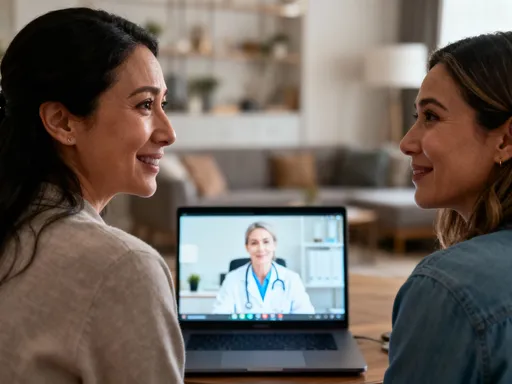
The day of our first consultation, we were both a little nervous. We decided to do it together—same time, same doctor, split screen. I set up my laptop in the living room, and Sarah joined from her home office. We joked about fixing our hair and muting the dog barking in the background. But when the doctor appeared on screen, something unexpected happened: we both relaxed. Dr. Ellis had a calm voice, kind eyes, and didn’t start by asking for our insurance details. Instead, she said, “Hi, I see you’re joining together today. That’s lovely. Who would like to go first?”
Sarah started with her sleep issues—how she’d been waking up at 3 a.m. for months, her mind racing, her body tense. The doctor asked thoughtful questions: about her routine, stress levels, caffeine intake, and even her pillow. Then it was my turn. I described the dull, persistent ache in my lower back, how it flared up after long days of sitting, and how stretching only helped a little. Dr. Ellis watched closely, nodded, and didn’t interrupt. She didn’t rush. She listened.
After both of us had shared, she gave personalized suggestions. For Sarah, she recommended a short-term sleep hygiene plan and a possible referral to a therapist specializing in anxiety-related insomnia. For me, she suggested physical therapy and sent a prescription for an anti-inflammatory. But more than the advice, what stayed with us was how *seen* we felt. No eye-rolling, no “just drink more water” dismissals. We weren’t rushed. We weren’t judged. And when the call ended, we both let out a long breath. “That,” Sarah said, “was the most peace I’ve felt about my health in years.”
How Collaboration Speeds Up Decisions
One of the biggest surprises was how much faster we made decisions—together. When the lab results came in for Sarah’s blood work, she called me right away. “I don’t know what any of this means,” she said, sounding overwhelmed. I asked her to share her screen, and we went through it side by side. I noticed her vitamin D was low—something she’d missed. I’d recently read about how common that is in women our age, especially with limited sun exposure. We looked up reliable sources together, then scheduled a follow-up call with Dr. Ellis.
For me, the turning point came when I got the recommendation for physical therapy. I was hesitant—worried about cost, time, and whether it would even help. But Sarah reminded me of what the doctor said: “Early intervention prevents long-term damage.” She even helped me find a clinic with evening hours and good reviews. Because we were in it together, I didn’t stall. I made the call that same day.
We realized something powerful: alone, we overthought. Together, we balanced each other. One of us brought caution, the other brought momentum. The platform gave us access to information, but our friendship gave us the courage to act on it. Decisions that used to take weeks—like whether to see a specialist, get a scan, or try a new medication—now took hours. We weren’t just patients. We were partners in our own care.
Building a Health Habit That Stuck
What started as a one-time experiment turned into a real habit. We set a reminder for the first Tuesday of every month—our “Health Check-In.” Sometimes it was just a quick message: “Did you refill your vitamins?” or “How’s your sleep been?” Other times, we scheduled joint consultations or shared updates after seeing our doctors. We celebrated small wins: Sarah sleeping through the night for three nights in a row, me walking without back pain after physical therapy.
The platform made it easy to stay on track. I got notifications when it was time for a follow-up. Sarah set calendar alerts for her supplements. But what really kept us consistent wasn’t the technology—it was each other. If one of us missed a message, the other followed up. If I forgot to log a symptom, Sarah would text: “Hey, did you have that headache again?” It wasn’t nagging. It was care. It was love in action.
We began to see our health not as a chore, but as an act of self-respect. And doing it together made it feel less like responsibility and more like connection. We weren’t just managing symptoms—we were building a lifestyle where wellness came first. And the best part? We didn’t feel alone in it.
Beyond Symptoms: Emotional Support in Digital Care
One day, Sarah started our call by saying, “I’m not sure this is medical, but I’ve been feeling… off.” She described feeling tearful, overwhelmed, and disconnected—even when things were going well. I knew exactly what she meant. I’d felt it too, especially after the kids went back to school and the house got quiet. We both thought we were just tired. But talking to Dr. Ellis helped us realize it wasn’t just fatigue. It was emotional weight—years of juggling roles, responsibilities, and expectations without pause.
Dr. Ellis listened with empathy. She didn’t rush to prescribe. Instead, she asked, “When was the last time you did something just for you?” That question hit hard. We looked at each other through the screen, and I could see the tears in Sarah’s eyes. Neither of us could remember. She suggested we explore counseling and even shared resources for therapists who specialize in women’s emotional well-being.
That conversation changed everything. We realized that digital health wasn’t just about treating physical symptoms—it was about creating space to be honest. And having a friend who *gets it* made it safer to be vulnerable. We weren’t just healing our bodies. We were healing our hearts. The platform gave us access, but our friendship gave us the courage to speak up.
Why This Isn’t Just Tech—It’s Trust
Looking back, I can see that the real breakthrough wasn’t the shorter wait times or the convenience of video calls. It was the trust. Trust in a system that finally worked for us. Trust in doctors who listened. But most of all, trust in each other. We didn’t just adopt a new tool—we built a new way of living. One where our health wasn’t an afterthought, but a shared priority.
Technology opened the door, but friendship walked us through it. It gave us confidence to ask questions, strength to follow through, and comfort in knowing we weren’t alone. We didn’t just save hours—we reclaimed peace of mind, control over our choices, and a deeper connection with ourselves and each other.
Today, when someone says, “I don’t have time for my health,” I gently remind them: you don’t have to do it alone. You don’t have to wait weeks for an appointment or suffer in silence. With the right tools—and the right person beside you—care can be simple, fast, and deeply human. It’s not about replacing doctors with apps. It’s about using technology to make real care more accessible, more personal, and more possible. And when you add friendship into the mix? That’s when real healing begins.