How I Transformed My Daily Life with a Smarter Vegetarian Approach
Switching to a vegetarian diet changed more than just my plate—it reshaped my energy, focus, and overall well-being. At first, I thought it was just about cutting out meat, but I quickly realized it’s about building a smarter, more balanced lifestyle. This isn’t a quick fix; it’s a system that works when done right. In this article, I’ll walk you through the real shifts that made a noticeable difference—no hype, just practical, science-backed changes that fit into real life.
The Wake-Up Call: Why I Reconsidered My Eating Habits
For years, I considered myself a relatively healthy eater. I avoided fast food, limited sugar, and tried to include vegetables with most meals. Yet, I constantly felt tired by mid-afternoon, struggled to concentrate at work, and often woke up unrefreshed. My energy levels were unpredictable, and I relied on coffee just to get through the day. It wasn’t until a routine check-up revealed borderline low iron and vitamin B12 levels that I began to question my habits more deeply. The doctor didn’t recommend drastic changes, but she did ask one simple question: “How much variety is actually on your plate?” That moment became a turning point.
I had assumed that avoiding meat automatically meant I was eating well. After all, I was consuming salads, veggie wraps, and plant-based meals. But when I reviewed my typical day, I noticed a pattern: my meals were heavy in refined carbohydrates like white rice, pasta, and bread, with inconsistent protein and limited vegetable diversity. I was eating vegetarian, but not necessarily nourishing my body in a complete way. The realization hit me: being vegetarian doesn’t guarantee health. What matters is the quality, balance, and intention behind food choices. Without a structured approach, even plant-based eating can fall short.
This wasn’t about blaming myself, but about recognizing the need for a smarter system. I began to see my diet not as a list of foods to avoid, but as an opportunity to build something sustainable and energizing. Instead of making random substitutions, I wanted a plan grounded in consistency, nutrient density, and real-life practicality. The goal wasn’t restriction, but optimization. I started researching how to create a vegetarian diet that truly supported long-term vitality, and what I discovered reshaped not just my meals, but my entire daily rhythm.
What a Systematic Vegetarian Diet Really Means
The term “systematic” might sound clinical, but in the context of eating, it simply means intentional and repeatable. A systematic vegetarian diet isn’t about following a rigid set of rules or eliminating entire food groups without reason. Instead, it’s about creating a framework that ensures you consistently receive the nutrients your body needs, without guesswork or last-minute compromises. It’s the difference between grabbing a veggie sandwich for lunch because it’s available, and preparing a meal that includes balanced protein, complex carbohydrates, healthy fats, and a variety of colorful vegetables.
Many people transition to vegetarianism with good intentions but lack a clear structure. They remove animal products but don’t replace the nutritional roles those foods played. For example, meat is a source of complete protein, iron, and B12. If those nutrients aren’t deliberately included from plant-based sources or supplements, deficiencies can develop over time. A systematic approach prevents this by focusing on planning, balance, and consistency. It’s not enough to eat plants; you must eat the right plants, in the right combinations, at the right times.
The core pillars of this approach include macronutrient balance, meal timing, nutrient density, and variety. Macronutrient balance means ensuring each meal includes adequate protein, carbohydrates, and fats. Meal timing involves spacing meals to maintain steady energy and avoid blood sugar spikes. Nutrient density refers to choosing foods that offer the most vitamins and minerals per calorie, such as leafy greens, legumes, nuts, and seeds. Variety ensures that you’re not relying too heavily on a few foods, which reduces the risk of missing key nutrients. Together, these elements create a sustainable foundation that supports both physical and mental health.
The Hidden Gaps in Typical Vegetarian Diets
One of the most common misconceptions about vegetarian eating is that it automatically leads to better health. While plant-based diets are associated with lower risks of heart disease, type 2 diabetes, and certain cancers, these benefits depend on the quality of the diet. A vegetarian who eats mostly cheese, white bread, and processed snacks may not gain any advantage over someone eating a balanced omnivorous diet. In fact, without attention to specific nutrients, a vegetarian diet can lead to deficiencies that undermine energy, mood, and long-term wellness.
Among the most frequent gaps are protein, iron, vitamin B12, omega-3 fatty acids, and zinc. Protein is essential for muscle maintenance, immune function, and satiety. While plant sources like lentils, chickpeas, tofu, and quinoa exist, they are not always consumed in sufficient quantity or variety. Iron from plant sources (non-heme iron) is less easily absorbed than iron from meat, so vegetarians need to consume more and pair it with vitamin C-rich foods to enhance absorption. Vitamin B12 is almost exclusively found in animal products, making supplementation or fortified foods necessary for long-term vegetarians. Omega-3s, crucial for brain and heart health, are typically associated with fatty fish, but can be obtained from flaxseeds, chia seeds, and walnuts, though the conversion rate in the body is limited. Zinc, important for immunity and metabolism, is present in whole grains and legumes but can be less bioavailable due to phytates.
I experienced this firsthand. Even after switching to a meat-free diet, I continued to feel mentally foggy and physically drained. My skin was dull, and I struggled with afternoon fatigue. It wasn’t until I had a follow-up blood test and consulted a nutritionist that I learned I was low in B12 and iron. I had been eating plenty of salads and grain bowls, but I wasn’t prioritizing protein-rich legumes or including fortified foods. Once I adjusted my meals to include lentil soups, tempeh stir-fries, pumpkin seeds, and a daily B12 supplement, the changes were remarkable. Within weeks, my energy improved, my focus sharpened, and I no longer needed an afternoon nap to function. Addressing these hidden gaps wasn’t difficult, but it required awareness and deliberate choices.
Building the Foundation: Smart Plate Principles
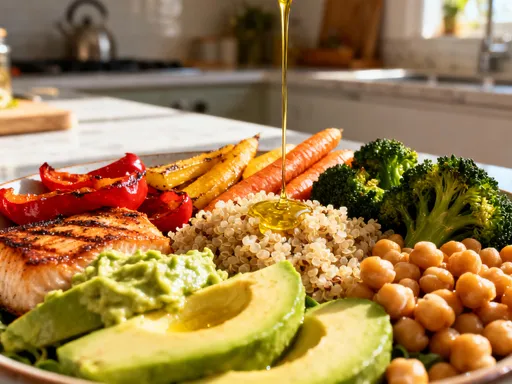
To make healthy vegetarian eating practical, I adopted a simple visual guide for building balanced meals. I call it the “Smart Plate” method: 50% vegetables, 25% plant-based protein, and 25% whole grains. This ratio ensures that every meal is nutrient-dense, satisfying, and supportive of stable energy. The vegetables should be colorful and varied—dark leafy greens, red peppers, carrots, broccoli, zucchini, and more—because different pigments indicate different phytonutrients, each offering unique health benefits. Filling half the plate with vegetables naturally increases fiber intake, which supports digestion and helps regulate blood sugar.
The protein portion is critical for maintaining muscle, supporting metabolism, and promoting fullness. I prioritize legumes like lentils, black beans, and chickpeas, as well as soy-based foods such as tofu and tempeh, which provide complete protein. Edamame, seitan, and plant-based protein powders can also be useful, especially on busy days. I make sure to include protein at every meal, not just dinner, to avoid energy crashes. For example, breakfast might include a tofu scramble with spinach and tomatoes, or overnight oats with chia seeds and almond butter.
The remaining quarter of the plate is reserved for whole grains, which provide sustained energy and additional fiber. I choose low-glycemic options like quinoa, brown rice, barley, farro, and oats, which release glucose slowly into the bloodstream, preventing spikes and crashes. Refined grains like white bread or pasta are minimized because they can lead to quick energy surges followed by fatigue. I also incorporate healthy fats into every meal, using sources like avocado, olive oil, nuts, and seeds. These fats support brain function, hormone production, and the absorption of fat-soluble vitamins like A, D, E, and K. A simple salad becomes more nourishing when dressed with olive oil and sprinkled with sunflower seeds.
Strategic Meal Planning That Actually Works
One of the biggest challenges in maintaining a healthy diet is consistency, especially with a busy schedule. I found that without planning, I defaulted to convenience foods that were often high in salt, sugar, or refined carbs. To break this cycle, I adopted a weekly meal prep routine that took about two hours on Sunday. This small investment saved me time, reduced decision fatigue, and ensured I always had nutritious options available.
My prep includes batch-cooking grains like quinoa and brown rice, roasting a large tray of mixed vegetables (such as sweet potatoes, Brussels sprouts, and bell peppers), and preparing a pot of lentil or bean-based soup. I also cook a batch of tofu or tempeh, marinated and ready to add to bowls or salads. These components can be mixed and matched throughout the week, making meal assembly quick and flexible. For example, a weekday lunch might be a grain bowl with quinoa, roasted vegetables, black beans, avocado, and a tahini dressing. Dinner could be a stir-fry with tofu, broccoli, and brown rice, seasoned with low-sodium soy sauce and ginger.
Snacks are another area where planning makes a difference. Instead of reaching for crackers or granola bars, I prepare small portions of nuts, fruit with nut butter, hummus with vegetable sticks, or hard-boiled eggs (for lacto-ovo vegetarians). These choices help stabilize blood sugar and prevent energy dips. I keep a container in the fridge with pre-cut cucumbers, carrots, and bell peppers, so they’re easy to grab. I also make energy balls with oats, dates, chia seeds, and almond butter for a satisfying treat.
A sample day on this plan might start with a smoothie made from spinach, banana, chia seeds, plant-based protein powder, and almond milk. Lunch could be a large salad with chickpeas, cherry tomatoes, cucumbers, red onion, and a lemon-olive oil dressing. Dinner might feature a lentil curry with brown rice and steamed kale. Each meal is designed to be filling, flavorful, and nutritionally complete. The key is not perfection, but consistency. Even if one meal isn’t ideal, the overall pattern supports health.
Beyond Food: How This Diet Improved My Whole Lifestyle
The benefits of this systematic approach extended far beyond my plate. Within a few weeks, I noticed a significant increase in energy. I no longer experienced the 3 p.m. crash that used to derail my productivity. I felt more alert in the mornings and could focus on tasks without mental fog. This wasn’t just psychological—it was the result of stable blood sugar, improved nutrient intake, and better hydration. My sleep also improved. I fell asleep more easily and woke up feeling more rested, likely due to balanced blood sugar and reduced inflammation from whole, unprocessed foods.
Digestive health was another major improvement. I used to struggle with bloating and occasional constipation, but with the increased fiber from vegetables, legumes, and whole grains, my digestion became more regular and comfortable. I also noticed clearer skin and stronger nails, signs that my body was receiving the nutrients it needed at a cellular level. These changes weren’t dramatic overnight, but they accumulated over time, creating a new baseline of well-being.
Mentally and emotionally, I felt more balanced. Fluctuations in mood and irritability decreased, which I now understand were linked to blood sugar swings and nutrient gaps. Eating regularly and mindfully helped me feel more in control, not just of my diet, but of my daily rhythm. I became more attuned to my body’s signals—when I was truly hungry, when I was full, and when I needed rest. This awareness extended to other areas of life, encouraging me to set healthier boundaries and prioritize self-care.
Making It Sustainable: Habits That Stick Without Deprivation
One of the reasons many people struggle with dietary changes is that they feel too restrictive. I learned early on that sustainability comes from flexibility, not rigidity. I don’t follow a perfect vegetarian diet every single day, and that’s okay. The goal isn’t perfection, but progress. I allow myself to enjoy meals out with friends, travel without stress, and occasionally include foods that aren’t part of my usual routine. What matters is the overall pattern, not isolated choices.
Mindful eating has become a cornerstone of my approach. Instead of eating quickly or while distracted, I try to sit down, chew slowly, and savor my food. This simple practice helps me recognize when I’m full and prevents overeating. I also pay attention to how different foods make me feel. If a meal leaves me sluggish, I reflect on what might have caused it—too many refined carbs, not enough protein, or poor timing. This self-awareness helps me make better choices without guilt or shame.
When eating out, I look for restaurants with vegetarian options that include protein and vegetables, such as grain bowls, lentil soups, or vegetable stir-fries with tofu. I don’t hesitate to ask for modifications, like substituting fries for a side salad or requesting dressing on the side. Traveling used to be a challenge, but now I pack snacks like nuts, fruit, and protein bars, and research restaurants in advance. I also practice listening to my body’s hunger and fullness cues, which helps prevent overindulgence. The key is preparation and self-compassion. If I eat something that doesn’t align with my usual habits, I don’t dwell on it. I simply return to my routine at the next meal.
Conclusion
Adopting a systematic vegetarian diet isn’t about perfection—it’s about progress, awareness, and creating a lifestyle that supports long-term well-being. When built on balance, planning, and real food, it can transform not just your health, but your daily experience of life. This isn’t a trend; it’s a lasting commitment to feeling your best, one thoughtful meal at a time. The changes I’ve experienced—more energy, better digestion, improved focus, and emotional stability—are not the result of a miracle diet, but of consistent, science-backed choices. By addressing nutrient gaps, prioritizing whole foods, and planning ahead, anyone can build a vegetarian approach that works in real life. It’s not about restriction, but about nourishment. And when you feel truly nourished, every part of your life benefits.