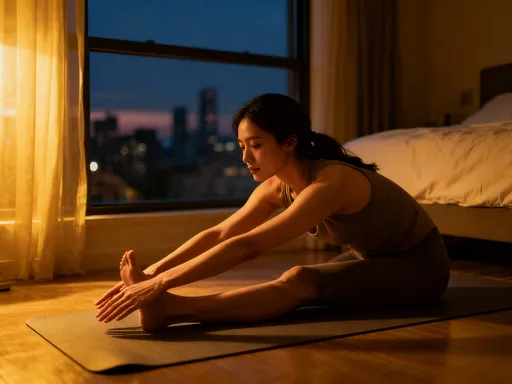
How I Fixed My Posture in Just Weeks — Real Talk from My Rehab Journey
Slouching at my desk for years finally caught up with me—neck pain, low energy, and constant discomfort. I didn’t realize how much poor posture was affecting my life until I started rehab. What I discovered surprised me: small, consistent moves made a big difference. This isn’t a miracle fix, but a real, doable path to standing taller and feeling better—backed by science and personal experience. Posture isn’t just about looking confident; it’s about how your body functions every single day. From breathing deeper to moving without stiffness, the benefits are tangible. And the best part? You don’t need surgery, expensive gear, or hours at the gym. You just need awareness, intention, and a few daily habits that add up.
The Hidden Cost of Bad Posture
Poor posture is more than a cosmetic concern—it’s a full-body issue with ripple effects. When someone spends hours hunched over a laptop or低头 looking at a phone, the body adapts in ways that compromise function. The head, which weighs about 10 to 12 pounds in neutral alignment, can exert up to 60 pounds of pressure on the neck when tilted forward. This condition, known as forward head posture, forces the muscles in the neck and upper back to work overtime just to keep the head upright. Over time, this leads to chronic tension, fatigue, and even headaches that originate from muscle strain rather than illness.
Beyond pain, slouching affects internal mechanics. When the shoulders round forward and the chest collapses, the diaphragm has less room to expand. This restricts lung capacity, leading to shallow breathing. Shallow breathing means less oxygen reaches the bloodstream, which can contribute to low energy, brain fog, and even mood fluctuations. Studies have shown that people with chronic poor posture report higher levels of fatigue and lower resilience to daily stress. It’s not just psychological—there’s a physiological basis for feeling drained when your body is constantly compensating for misalignment.
Joint health is also at risk. The spine is designed with natural curves that distribute weight and absorb shock. When these curves flatten or exaggerate due to prolonged sitting or incorrect movement patterns, the joints between vertebrae experience uneven pressure. This can accelerate wear and tear, increasing the risk of degenerative changes over time. Hip joints suffer too, as tight hip flexors from sitting pull the pelvis forward, contributing to lower back strain. These changes happen gradually, which is why many people don’t notice them until discomfort becomes persistent.
Consider the modern lifestyle: remote work, long commutes, screen time before bed. These habits create a perfect storm for postural decline. A mother working from her kitchen table, a professional answering emails on the couch, a parent helping with homework while leaning over a small desk—these everyday scenarios reinforce poor alignment. The danger lies in repetition. It’s not one bad day that causes damage; it’s the accumulation of small, unnoticed habits that reshape the body over months and years. Recognizing this was my wake-up call. I wasn’t just dealing with sore shoulders—I was facing a pattern that affected how I moved, breathed, and felt every hour of the day.
Why Quick Fixes Fail (And What Actually Works)
When discomfort sets in, it’s natural to look for fast solutions. Many turn to posture braces, marketed as instant correctors that pull the shoulders back and train the body to sit straight. While these devices can offer temporary feedback, they don’t address the root cause: muscle imbalances and poor neuromuscular control. Wearing a brace is like using a crutch—it may provide support, but it doesn’t strengthen the system. Once removed, the body often reverts to old patterns because the muscles haven’t learned to hold alignment on their own.
Another common myth is that simply reminding yourself to “sit up straight” will fix everything. But posture isn’t just a matter of willpower. Years of slouching lead to shortened muscles in the front of the body—like the chest and hip flexors—and weakened muscles in the back, such as the lower trapezius and glutes. Telling someone to sit tall without correcting these imbalances is like asking a car with misaligned tires to drive straight. The structure is off, and no amount of mental effort will override biomechanics.
What actually works is neuromuscular re-education—the process of retraining the brain and body to adopt healthier movement patterns. This involves three key elements: awareness, repetition, and progression. First, you must become aware of how your body feels in space, a skill known as proprioception. Then, through repeated practice of correct alignment, the nervous system begins to recognize this as the new normal. Finally, as strength and endurance improve, these patterns become automatic, even during fatigue or distraction.
Rehabilitation experts emphasize consistency over intensity, especially in the early stages. Doing a few minutes of targeted exercises daily is more effective than an hour-long session once a week. The body adapts to frequency, not force. Small, mindful movements—like gently tucking the chin or engaging the core while standing—create lasting change when practiced regularly. It’s not about pushing harder; it’s about moving smarter. This shift in mindset—from quick fixes to sustainable habits—was crucial in my own recovery. I stopped chasing instant results and started building a foundation for long-term improvement.
My First Step: The Wall Test and Body Awareness
My journey began with a simple test I learned from a physical therapist: the wall assessment. I stood with my back against a flat wall, feet a few inches away, and checked five contact points—heels, calves, glutes, upper back (between the shoulder blades), and the back of the head. In ideal alignment, all these points should lightly touch the wall without straining. When I tried it, only my heels and calves made contact. My glutes stuck out, my shoulders curved forward, and the back of my head was nearly three inches from the wall. The gap was startling. It wasn’t just poor posture—it was a full-body misalignment that had become my default.
That moment was both humbling and motivating. For years, I thought I was standing straight, but my body told a different story. The wall test provided objective feedback, cutting through assumptions. It also introduced me to the concept of body awareness—the ability to sense where your body is in space without looking. Most people go through the day on autopilot, unaware of how they’re holding themselves. Slouching feels normal because it’s familiar, not because it’s correct. Rebuilding awareness is the first step toward change.
I started incorporating mindful posture checks throughout the day. Every time I finished a task, poured a glass of water, or waited for the microwave, I took a few seconds to reset. I imagined a string pulling the crown of my head toward the ceiling, gently lengthening my spine. I rolled my shoulders back and down, away from my ears, and engaged my core just enough to stabilize my pelvis. These weren’t dramatic adjustments—they were subtle corrections that added up over time.
Within days, I noticed changes. My clothes fit differently. I caught myself standing taller in photos. More importantly, I began to feel the difference: less tension at the base of my skull, easier breathing, and a sense of lightness in my upper body. These small wins reinforced the habit. Body awareness became a quiet companion, gently reminding me to realign before discomfort set in. It wasn’t about perfection—it was about presence. By tuning into my body, I gained control over patterns that had once felt automatic and unchangeable.
The Core Trio: Stretch, Strengthen, Reset
Once awareness was established, I focused on three pillars of rehabilitation: stretching tight muscles, strengthening weak ones, and resetting movement patterns. This trio addresses the physical imbalances that underlie poor posture. Each component is essential; skipping one limits progress. For example, strengthening without stretching can make imbalances worse, while stretching without strengthening leaves the body unsupported. The goal is balance—restoring symmetry so the body can function efficiently.
Stretching targeted the areas that had shortened from prolonged sitting. The chest muscles, particularly the pectoralis minor, often become tight, pulling the shoulders forward. I used a doorway stretch: standing in a doorway with arms bent at 90 degrees, hands on the frame, and gently stepping forward until I felt a stretch across my chest. Holding this for 30 seconds, twice a day, gradually improved my shoulder alignment. Another key area was the hip flexors, especially the iliopsoas, which tighten when sitting for long periods. A simple lunge stretch, with one knee on the ground and the other foot forward, helped release tension and allowed my pelvis to return to a neutral position.
Strengthening focused on underused muscles that support good posture. The deep neck flexors, which stabilize the head and prevent forward head posture, are often weak. I practiced chin tucks: sitting upright, gently gliding my head straight back without tilting it, creating a “double chin” effect. This subtle movement, repeated 10 times daily, retrained the muscles to support my neck properly. The mid and lower trapezius, which retract the shoulder blades, also needed attention. Scapular squeezes—squeezing the shoulder blades together while sitting or standing—helped activate these muscles. Over time, they became stronger and more responsive, reducing the urge to slump.
Resetting movement patterns was the most transformative part. It involved integrating new habits into daily life. The cat-cow stretch, performed on hands and knees, helped restore spinal mobility. Moving slowly between arching the back (cow) and rounding it (cat) reminded my spine how to move fluidly. I also practiced pelvic tilts—gently rocking the pelvis forward and backward while lying down or sitting—to improve control over my core and lower back. These exercises weren’t just routines; they were re-education sessions, teaching my body to move in ways it had forgotten. Combined, the stretch-strengthen-reset approach created lasting change, not just temporary relief.
Posture in Motion: It’s Not Just About Sitting
Posture isn’t only about how you sit—it’s about how you move. Static alignment matters, but dynamic posture, or how you carry yourself during activity, is equally important. Walking, lifting groceries, getting up from a chair—these everyday movements either reinforce good alignment or contribute to strain. Many people focus on sitting posture but neglect how they transition between positions, which can place more stress on the spine than sitting itself.
Walking, for example, should engage the entire kinetic chain. The feet strike the ground, the legs propel the body forward, and the spine maintains a stable, upright position. But when posture is poor, the gait often changes. Rounded shoulders and a forward head shift the center of gravity, leading to a shuffling or hunched walk. This not only looks tired but also increases fatigue and joint wear. I worked on walking with my ears aligned over my shoulders, my chest open, and my arms swinging naturally. I also paid attention to my footwear—supportive shoes with good arch support made a noticeable difference in how my body felt after long walks.
Lifting is another critical area. Whether picking up a child, carrying laundry, or moving furniture, how you lift determines spinal safety. The key is to bend at the hips and knees, keep the object close to the body, and avoid twisting. I practiced this with light household items, focusing on engaging my core and using my legs, not my back. Over time, these movements became instinctive. Even small actions, like standing up from a chair, benefited from mindfulness. Instead of jerking up with momentum, I learned to shift forward, engage my core, and rise smoothly using my leg strength.
These dynamic habits reinforced static improvements. Every time I moved with intention, I strengthened the neural pathways that support good posture. It wasn’t about being perfect in every moment; it was about creating a pattern of mindful movement that carried over into daily life. Posture became less of a correction and more of a natural way of being.
Environment Matters: Setting Up for Success
No amount of exercise can fully compensate for a poorly designed environment. If your workspace pulls you into a slouched position, even the best rehab routine will struggle to make lasting change. I realized this when I evaluated my home office setup. My laptop was too low, forcing me to look down. My chair lacked lumbar support, so my lower back curved inward. My feet didn’t rest flat on the floor, which increased pressure on my hips. These small flaws added up, making good posture feel unnatural and uncomfortable.
I made simple, affordable adjustments. I raised my laptop using a stack of books so the top of the screen was at eye level. This eliminated the need to tilt my head down. I added a small cushion to the lower back of my chair to support the natural curve of my spine. I placed a footrest—just a flat wooden board—under my desk so my knees were slightly lower than my hips. These changes aligned my body with ergonomic principles: ears over shoulders, shoulders over hips, hips over ankles. Suddenly, sitting tall felt easier, not forced.
Phone use was another challenge. The “text neck” phenomenon—craning the neck forward to look at a handheld device—was a major contributor to my discomfort. I started holding my phone at eye level instead of letting it rest in my lap. I also limited screen time during meals and before bed, reducing cumulative strain. For longer calls, I used a hands-free headset, allowing me to stand or walk while talking. These small shifts reduced the time my neck spent in a forward position.
I also built in microbreaks every 30 minutes. Using a timer, I’d stand up, stretch, or walk around for a minute. These breaks reset my posture and prevented stiffness. I paired them with hydration—drinking water ensured I had a reason to get up regularly. Over time, my body began to crave these resets. My workspace, once a source of pain, became a setup for support. When your environment aligns with your goals, good habits become effortless.
Progress, Not Perfection: Tracking Small Wins
Real change takes time. I didn’t wake up one day standing perfectly straight. But within four to six weeks of consistent effort, I noticed meaningful improvements. My shoulders felt looser. I could take deeper breaths without thinking about it. Headaches that used to plague me several times a week became rare. These weren’t dramatic transformations—they were quiet victories that signaled my body was healing.
I learned to celebrate small wins. One day, I realized I’d stood in line at the grocery store without leaning on my cart. Another time, I caught myself walking with my head aligned, even when distracted. I started wearing clothes that highlighted my posture—like fitted blouses—and noticed how they draped better when I stood tall. These moments weren’t about vanity; they were proof that my efforts were working.
Setbacks happened. Busy days meant I skipped exercises. Travel disrupted my routine. Old habits crept back in. But I stopped judging myself. Progress isn’t linear. What mattered was returning to the practice, not achieving perfection. I focused on consistency—doing a little every day, even if it wasn’t ideal. Self-compassion became part of the process. Healing isn’t about punishment; it’s about patience and persistence.
Looking back, the biggest shift wasn’t physical—it was mental. I stopped seeing posture as a chore and started viewing it as a form of self-care. Every chin tuck, every wall check, every mindful breath was an act of respect for my body. I wasn’t fixing myself because I was broken; I was honoring a system that had carried me through years of demands. That mindset shift made all the difference.
Improving posture isn’t about rigid perfection—it’s a gradual return to natural alignment. Through rehabilitation rooted in awareness, movement, and environment tweaks, lasting change is possible. It’s not just how you sit, but how you move through life. Stand tall, breathe easier, and let your body work the way it was meant to.