How I Systematically Manage My Health with Medication — And Why It Changed Everything
Living with a chronic condition taught me that medication isn’t just about taking pills—it’s about building a system. Without structure, even the best treatment can fail. I’ve learned through trial and error how small, consistent habits make medications work better. This is my journey of turning daily routines into real progress—simple, practical, and completely doable. What began as a struggle with forgetfulness and confusion slowly transformed into a reliable, personalized routine that supports my health every single day. The shift didn’t come from willpower alone, but from designing a way of life where taking care of myself became as natural as breathing.
The Hidden Problem: Why Medication Alone Isn’t Enough
When a doctor prescribes medication, many people assume the hardest part is over. The prescription is filled, the bottle sits on the counter, and there’s a quiet hope that healing will follow. But for millions managing chronic conditions like high blood pressure, diabetes, or autoimmune disorders, the real challenge begins after the appointment ends. Studies show that nearly half of patients do not take their medications as directed, not because they don’t care, but because life gets in the way. A busy morning, a change in routine, or simply forgetting can disrupt the delicate balance that medications are meant to maintain. This gap between prescription and practice is one of the most overlooked barriers to effective treatment.
The human body thrives on consistency. Medications are designed to maintain stable levels in the bloodstream, which requires regular dosing at predictable times. Skipping a dose, doubling up, or taking a pill at a completely different time each day can reduce effectiveness and even cause side effects. For example, blood pressure medications work best when taken at the same time daily to prevent spikes and dips. Similarly, medications for chronic inflammation rely on steady presence in the system to keep symptoms under control. When doses are missed, the body experiences fluctuations that can undo progress, sometimes without immediate warning signs. Over time, this inconsistency can lead to worsening symptoms, increased risk of complications, and even hospitalization.
Another common issue is misunderstanding instructions. Labels may say “take with food” or “avoid grapefruit,” but without clear explanation, patients may not grasp the importance. Some medications are absorbed better with meals, while others can cause stomach upset if not taken properly. These nuances matter. Yet, in the rush of a doctor’s visit or the complexity of managing multiple prescriptions, critical details can be missed. The result is a well-intentioned effort that falls short—not due to negligence, but to lack of support. This is where the idea of a system becomes essential. Medication is only one piece of the puzzle. The real work lies in creating a daily structure that makes adherence not just possible, but effortless.
Building My System: Structure That Actually Works
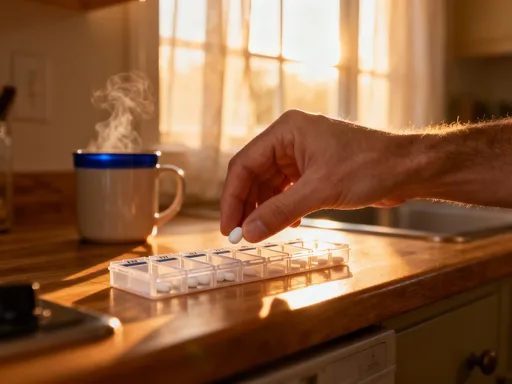
The turning point in my health journey came when I stopped relying on memory and started building a system. I realized that waiting to “remember” to take my medication was setting myself up for failure. Instead, I began anchoring each dose to an existing habit—a technique known as habit stacking. For example, I linked my morning medication to my daily coffee ritual. As soon as I pour the water into the kettle, I open my pill organizer and take my pills. This simple pairing turned a task I often forgot into something automatic. Similarly, my evening dose is tied to brushing my teeth. These daily routines are so ingrained that they happen without thought, and now my medication does too.
A key tool in this system is the weekly pill organizer. I fill it every Sunday night, sorting each day’s medications into labeled compartments. This not only prevents double-dosing but also provides a visual record of what’s been taken. If I’m unsure whether I took my afternoon pill, a quick glance tells me. For added security, I set two gentle reminders on my phone—one 15 minutes before each dose and another 10 minutes after. These aren’t alarms that startle, but soft notifications that prompt action without adding stress. Some people use smart pill bottles or medication-tracking apps, and while those can be helpful, I found that simplicity works best for me. The goal isn’t to rely on technology, but to create a seamless flow that fits my lifestyle.
Flexibility is also built into the system. Travel, unexpected events, or changes in schedule are inevitable. When I go on a trip, I pack my medications in a small, labeled case and keep it in my carry-on. I also adjust my timing slightly when crossing time zones, consulting my doctor’s guidance to maintain consistency without disruption. The system isn’t rigid—it adapts. What matters is not perfection, but continuity. By designing a routine that accommodates real life, I’ve made adherence sustainable. Over time, this structure has reduced anxiety, improved my health markers, and given me a sense of control I didn’t have before.
When Things Go Off Track—And How to Recover
No matter how well-designed a system is, life sometimes throws a curveball. There have been mornings when I rushed out the door and realized hours later that I’d forgotten my medication. There were weekends when travel disrupted my routine, or stressful days when self-care felt like the last priority. In those moments, the temptation is to feel guilty or defeated. But I’ve learned that setbacks are not failures—they are part of the process. What matters most is how I respond.
Instead of reacting with frustration, I now pause and ask: What caused this? Was I too busy? Was I overwhelmed? Did I skip a meal, making it harder to take a medication that requires food? Identifying the trigger helps me adjust. For example, if I notice that I often miss afternoon doses on workdays, I might set an earlier reminder or keep a backup pill in my bag. If travel is a recurring challenge, I now plan ahead by packing medications in advance and setting time-zone-adjusted alerts. These small course corrections keep me on track without requiring a complete overhaul.
One particularly difficult week, I was caring for a sick family member and fell behind on my routine. By the end of the week, I felt fatigued and noticed a slight increase in symptoms. Instead of ignoring it, I tracked the changes and brought them up at my next appointment. My doctor appreciated the honesty and helped me adjust my plan. This experience taught me that recovery isn’t about getting back to “perfect”—it’s about recommitting with compassion. I now view setbacks as feedback, not failure. They highlight where my system needs strengthening, and each one makes me more resilient.
The Role of Communication: Talking to Doctors with Confidence
One of the most empowering changes in my health journey has been how I communicate with my healthcare providers. In the past, I would nod along during appointments, afraid to ask questions or admit when I struggled with my medication. I worried about being seen as non-compliant or difficult. But over time, I realized that my doctor can’t help me if I don’t share the full picture. Now, I come to appointments prepared—with a symptom journal, a list of side effects, and honest reflections on what’s working and what isn’t.
This shift didn’t happen overnight. At first, it felt uncomfortable to say, “I’ve been missing doses,” or “This medication makes me feel dizzy in the mornings.” But each time I spoke up, I received support, not judgment. My doctor adjusted my dosage, switched medications when necessary, and offered practical tips for managing side effects. More importantly, we began collaborating. Instead of passively receiving instructions, I became an active participant in my care. This partnership has made all the difference. When I track my symptoms and share patterns—like increased fatigue on certain days or better energy after adjusting timing—my doctor can make informed decisions based on real-world experience.
Effective communication also means asking the right questions. Instead of saying, “Is this normal?” I now ask, “What should I expect when starting this medication?” or “Are there lifestyle changes that could improve its effectiveness?” These questions lead to deeper discussions and better outcomes. I’ve learned that doctors appreciate patients who are engaged and observant. By being honest and proactive, I’ve built trust and gained access to better care. This open dialogue has become a cornerstone of my system—because no routine works in isolation. It thrives on feedback, adjustment, and mutual understanding.
Support Systems: How Others Help Me Stay on Track
Managing a chronic condition can feel isolating, but I’ve found that small acts of support from others make a big difference. I don’t need constant reminders or supervision, but knowing that my family understands my routine helps me stay consistent. My spouse knows not to interrupt my morning coffee ritual, not because it’s sacred, but because it’s part of my health practice. When I travel, a friend might text to check in, not to monitor me, but to show care. These subtle gestures create an environment where my health habits are respected, not questioned.
I’ve also learned to ask for help when needed. There was a time when I refused assistance, fearing it made me appear weak. But when I was recovering from a flare-up, I accepted my daughter’s offer to fill my pill organizer for a week. It wasn’t a sign of dependence—it was an act of trust. Allowing others to support me strengthened our relationship and lightened my burden. At work, I’ve been open with close colleagues about my need for routine, especially when managing afternoon medications. Most respond with understanding, offering flexibility when I need a quiet moment to take my dose. These small accommodations make a significant difference in maintaining consistency.
The key is setting boundaries. Support doesn’t mean losing autonomy. I decide what kind of help I need and when. Some people prefer complete privacy, and that’s valid too. For me, sharing just enough creates a safety net without exposing my vulnerabilities. Whether it’s a gentle nudge from a loved one or a quiet acknowledgment from a coworker, these connections reinforce my commitment. They remind me that I’m not alone in this journey, and that small acts of kindness can sustain long-term health efforts.
Beyond Pills: Integrating Lifestyle for Better Results
Medication is powerful, but it doesn’t work in a vacuum. I’ve noticed that when I pair my treatment with healthy daily habits, the results are more consistent and sustainable. Hydration, for example, plays a surprising role. Some medications are processed more efficiently when the body is well-hydrated, and I’ve found that drinking water throughout the day helps reduce minor side effects like dry mouth or fatigue. I keep a reusable bottle on my desk and refill it regularly—a small habit with noticeable benefits.
Nutrition is another key factor. Taking medication with food isn’t just about avoiding stomach upset—it’s about optimizing absorption. I’ve learned to plan balanced meals with protein, fiber, and healthy fats, which help maintain steady energy and support overall well-being. Skipping meals used to be common during busy days, but now I prepare simple snacks in advance—like nuts, yogurt, or fruit—so I never take medication on an empty stomach. These choices don’t require gourmet cooking or strict diets; they’re practical adjustments that fit into real life.
Physical movement and sleep are equally important. Regular walks, stretching, or light yoga help reduce stiffness and improve circulation, which complements my treatment goals. I don’t aim for intense workouts—just 20 to 30 minutes most days. Sleep, too, has a direct impact. Poor sleep can worsen symptoms and affect how my body responds to medication. By establishing a calming bedtime routine—dimming lights, avoiding screens, and reading—I’ve improved my sleep quality, which in turn supports my overall health. These lifestyle elements don’t replace medication, but they create the conditions for it to work at its best.
Long-Term Mindset: Staying Consistent Without Burning Out
One of the biggest shifts in my thinking has been moving from short-term fixes to long-term sustainability. Early in my journey, I hoped for a quick solution—a cure, a miracle, a return to “normal.” But chronic conditions don’t work that way. Healing isn’t linear, and progress is often measured in small, quiet victories. I’ve learned to celebrate consistency, not perfection. Taking my medication every day for a month, improving my sleep for a week, or sticking to my routine during a busy season—these are the wins that matter.
Burnout is a real risk when managing health long-term. The constant attention, the need for vigilance, the fear of slipping up—it can be exhausting. To prevent this, I practice self-compassion. If I miss a dose, I don’t berate myself. I acknowledge it, learn from it, and move on. I also schedule moments of rest and joy—time with loved ones, hobbies, or simply sitting quietly with a cup of tea. These pauses aren’t indulgences; they’re necessary for resilience. A sustainable health routine includes space for living, not just surviving.
Over time, my attitude has shifted from resistance to acceptance. This isn’t a battle to be won, but a practice to be maintained. Like brushing my teeth or locking the door at night, managing my health has become a natural part of my day. The system I’ve built isn’t flashy or dramatic—it’s simple, reliable, and deeply personal. It has given me something I once thought impossible: peace of mind. I no longer fear the next flare-up or dread the next appointment. I trust the process, not because it’s perfect, but because it’s mine.
Disease management isn’t about dramatic changes—it’s about designing a life where health habits fit naturally. My journey with medication taught me that systems beat willpower. By building structure, staying honest, and adapting over time, I gained control in a way I never thought possible. This isn’t a cure, but it’s progress—and that’s worth everything.